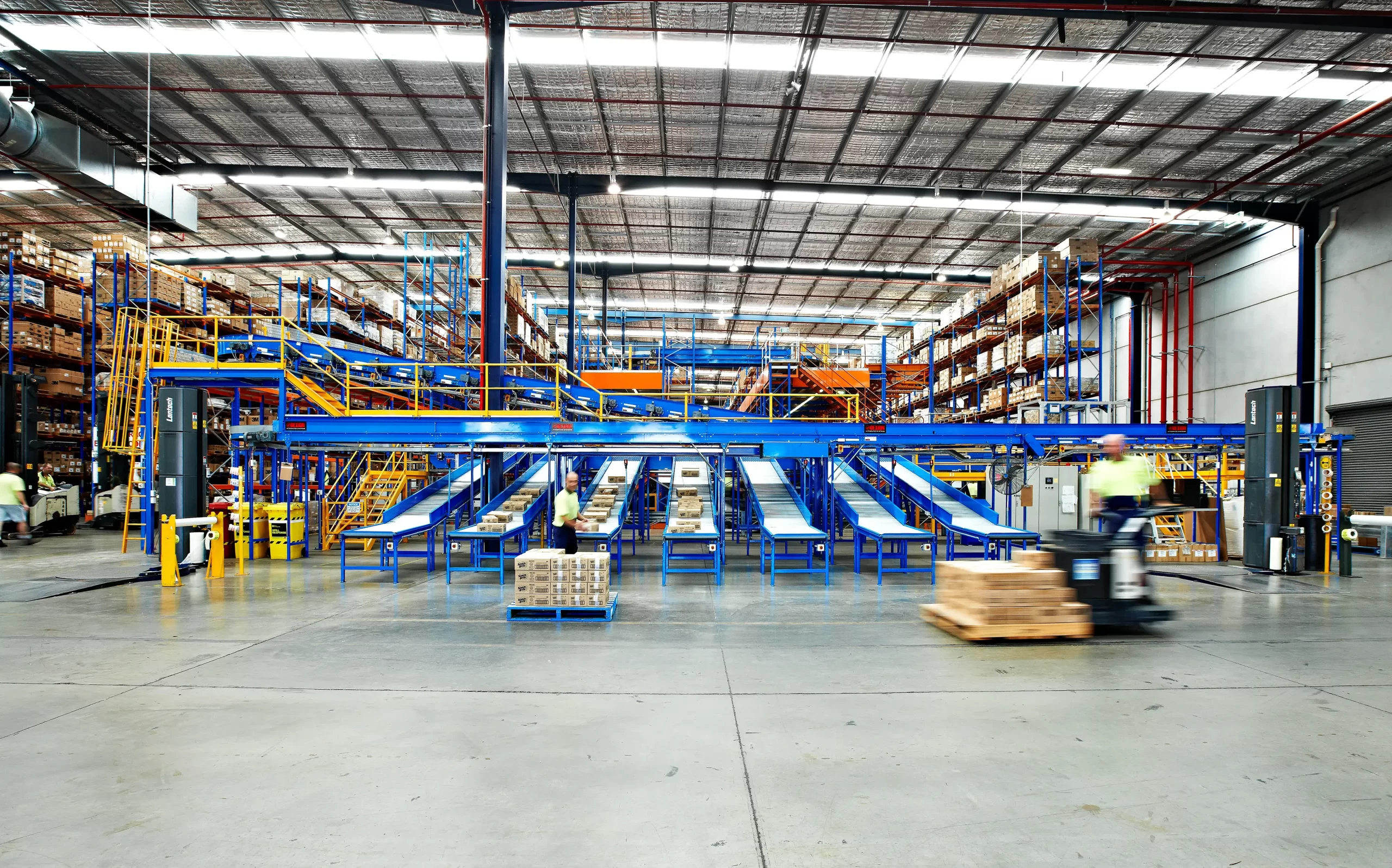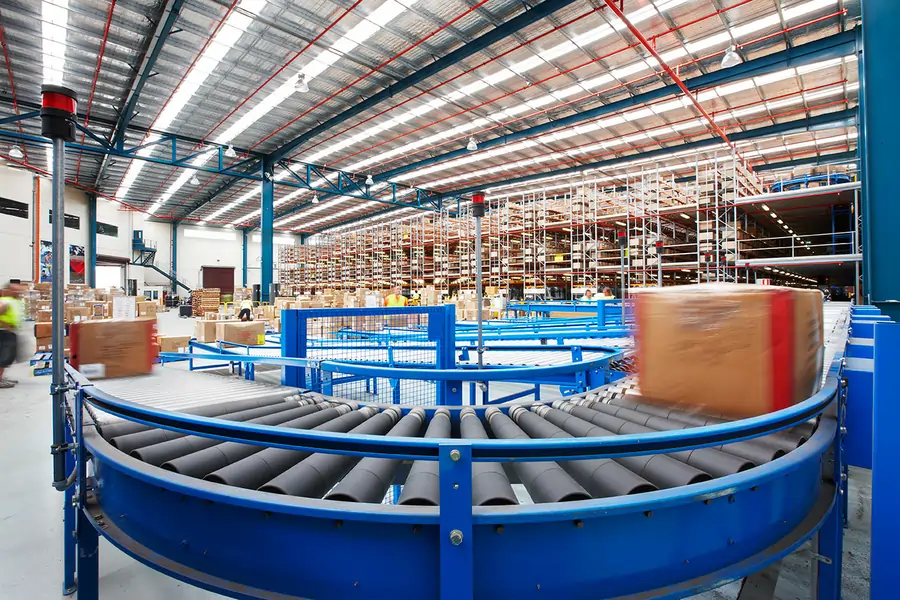

Managing floor space effectively whilst accelerating order fulfilment is a distinct operational hurdle for modern distribution centres. To solve this, we engineered the MDS ASRS—a fully autonomous multi-directional shuttle system tailored to maximise space utilisation and throughput efficiency. By transitioning from wide, traditional forklift aisles to this dense matrix configuration, operations can realise a threefold increase in storage capacity compared to standard racking methods.
As commercial storage requirements change, flexibility is built directly into the equipment. The modular design ensures it can be configured easily to align with changing inventory volumes or physical expansions.
Engineered with a low-mass, high-endurance architecture, the system minimises component wear and maintains reliable performance, even when operating continuously through cold, damp seasonal periods.
Navigational Capabilities of the MDS ASRS
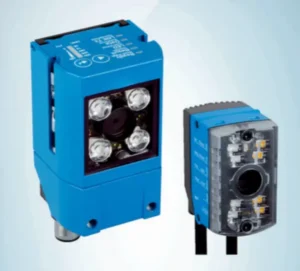
In high-density configurations, autonomous fleets require absolute navigational certainty to prevent bottlenecks. The MDS ASRS technology relies on the Dexion Datamatrix Barcode Positioning platform as its primary method for guiding shuttles through the compact racking system. This replaces unpredictable mechanical tracking with greater positioning accuracy.
The operational architecture combines optical hardware with advanced tracking software:
- Industrial Cameras: Mounted securely on each shuttle, these specialised units scan the grid layout in real-time.
- Engineered Barcode Labels: High-contrast barcodes are strategically positioned along physical travel paths.
Using constant optical validation, every vehicle within the ASRS shuttle system establishes its precise spatial coordinates. Consequently, shuttles can move, stop, align, and transfer materials with accuracy, completely avoiding tracking disruptions and minimising impact stress on the racking.
How Accurate is the Barcode Positioning in the MDS ASRS?
Precision is achieved through the data structure embedded within each matrix label. Every single data code registers two distinct variables simultaneously: the absolute coordinate within the entire warehouse grid and the exact relative position relative to the barcode centre. This structural loop ensures millimetre-level precision for shuttle navigation, enabling faultless alignment during rapid retrieval cycles.
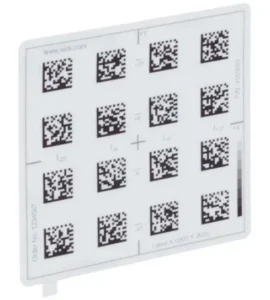
ASRS Technology with Barcode Positioning for Maximum Performance
Industrial facilities demand components that can withstand environmental dust, varied warehouse lighting, and structural vibrations. In comparison to standard industrial barcodes, the Dexion Datamatrix Location Barcode features significantly enhanced material quality, a higher-contrast substrate, and a hard-wearing undercoat and overcoat. This robust layered fabrication guarantees complete legibility across millions of cycles.
Furthermore, we ensure these markers are protected from physical damage by mounting them completely clear of shuttle travel paths. Isolating them from direct wheel contact, structural shifts, or stray pallets eliminates unnecessary maintenance intervention and keeps the floor running smoothly.
Evaluating Optical Infrastructure Against RFID
When designing a multi-directional matrix, choosing the right guidance mechanism determines long-term operational costs. For a four-way shuttle layout, optical datamatrix tracking provides significant advantages over Radio Frequency Identification (RFID):
| Operational Metric | Optical Barcode Positioning | RFID Systems |
| Financial & Setup | Straightforward integration; predictable initial outlays. | Higher cost and added complexity across the grid. |
| Target Alignment | Delivers millimetre-level centring coordinates. | Limited position accuracy for high-density placement. |
| Environmental Resilience | Unaffected by shifts in humidity or localised temperature drops. | Signal strength weakens under humidity fluctuations, causing detection failures. |
For a dependable four-way shuttle system, optical tracking remains the most reliable option. Whether your operations handle a specialised 4-way pallet shuttle setup, our barcode guidance system maintains steady operational continuity without signal drops.
Conclusion
Investing in reliable tracking infrastructure is essential for lowering the total cost of ownership and ensuring consistent material flow. The MDS ASRS technology for navigation provides the predictable, repeatable alignment required to future-proof warehouses and freight hubs against volatile operating conditions.
Contact Dexion to find out how the MDS ASRS can fit into your facility.